
City West Water Plant Energy Costs Reduced | Parasyn
A load shedding control system will continuously monitor the supply from the electricity utility. Monitoring will detect any abnormal conditions on the power supply. On detection of an abnormal condition or demand response from the utility, load shedding will occur.
Load shedding strategies
These include turning off selected equipment and/or transitioning equipment to onsite power generators. In addition, facilities that use VFDs to operate motor driven process equipment (i.e., aerator blowers and pumps) can automatically move to lower speeds under a load shedding managed arrangement. This reduces the overall demand and better enables process operations to maintain effluent quality within regulatory limits.
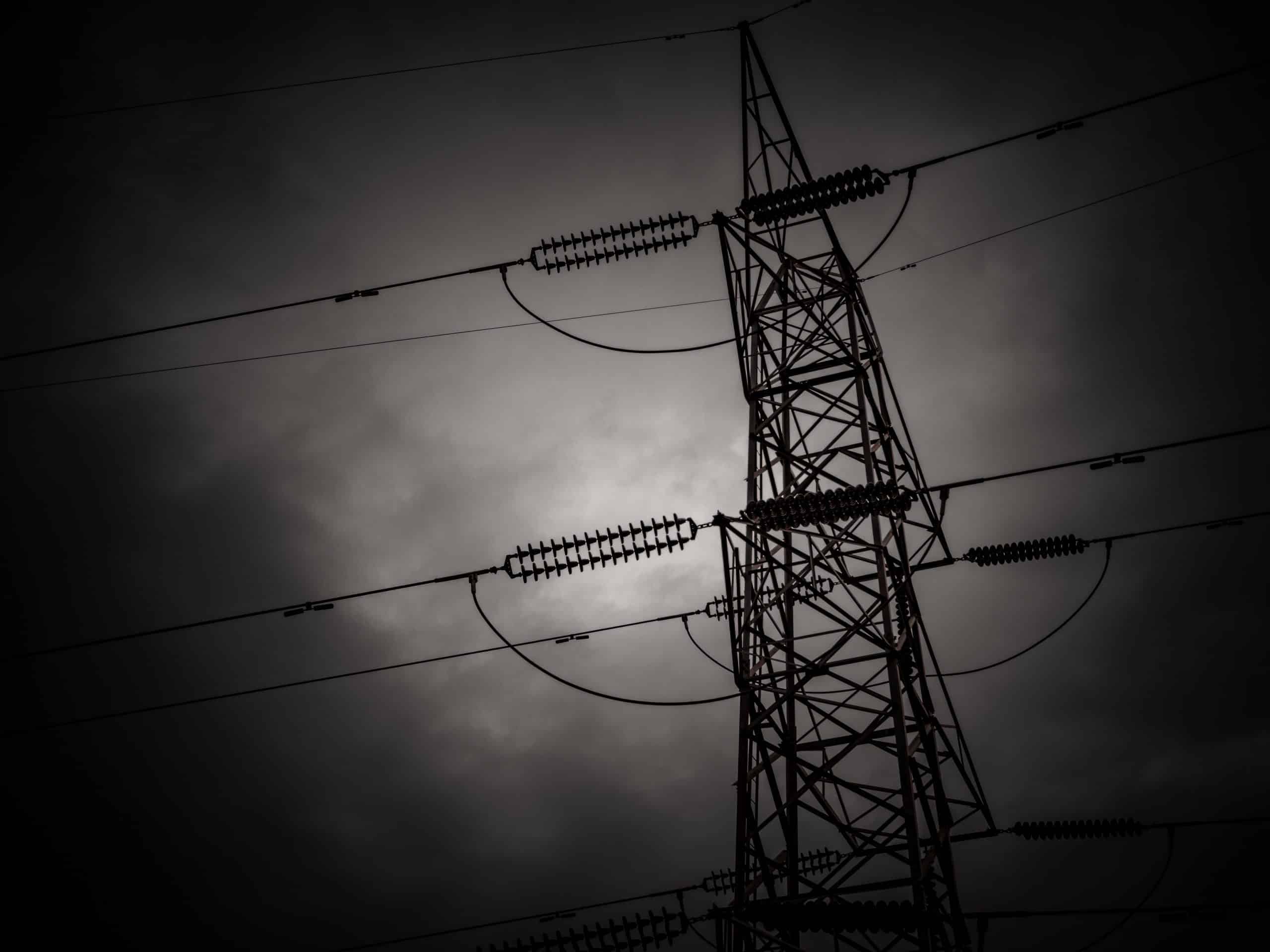
CWW received an invitation from Australian Energy Market Operator (AEMO) to shed the ATP electrical loading when having a demand response event especially when the grid load is at peak. The AEMO installed a power meter at the plant to monitor and coordinate with its system to send a demand response signal to the plant. When the plant receives the Frequency Control Ancillary Services (FCAS) signal, the control system (PLC/SCADA) will automatically stop specific equipment. The equipment stopped is agreed with the AEMO equivalent to the power consumption that needs to be reduced, which reduces overall load on the grid. This partial shutdown is a controlled shutdown that minimizes the disturbance to normal plant operations and brings the plant back online as quickly as possible when the demand signal to return to normal is issued.
In addition to plant load shedding at the Altona Treatment Plan, a secondary energy saving was identified with the transfer pump station at the Werribee Treatment Plant. In consequence, the transfer pump operation is now scheduled to operate automatically during off-peak hours. Together with normal operation this reduces overall energy consumption. The consideration of off-peak operation must be balanced with the impact of system storage management ensuring the operational condition is within reasonable limits and not detrimental to continuous treatment plant operation.
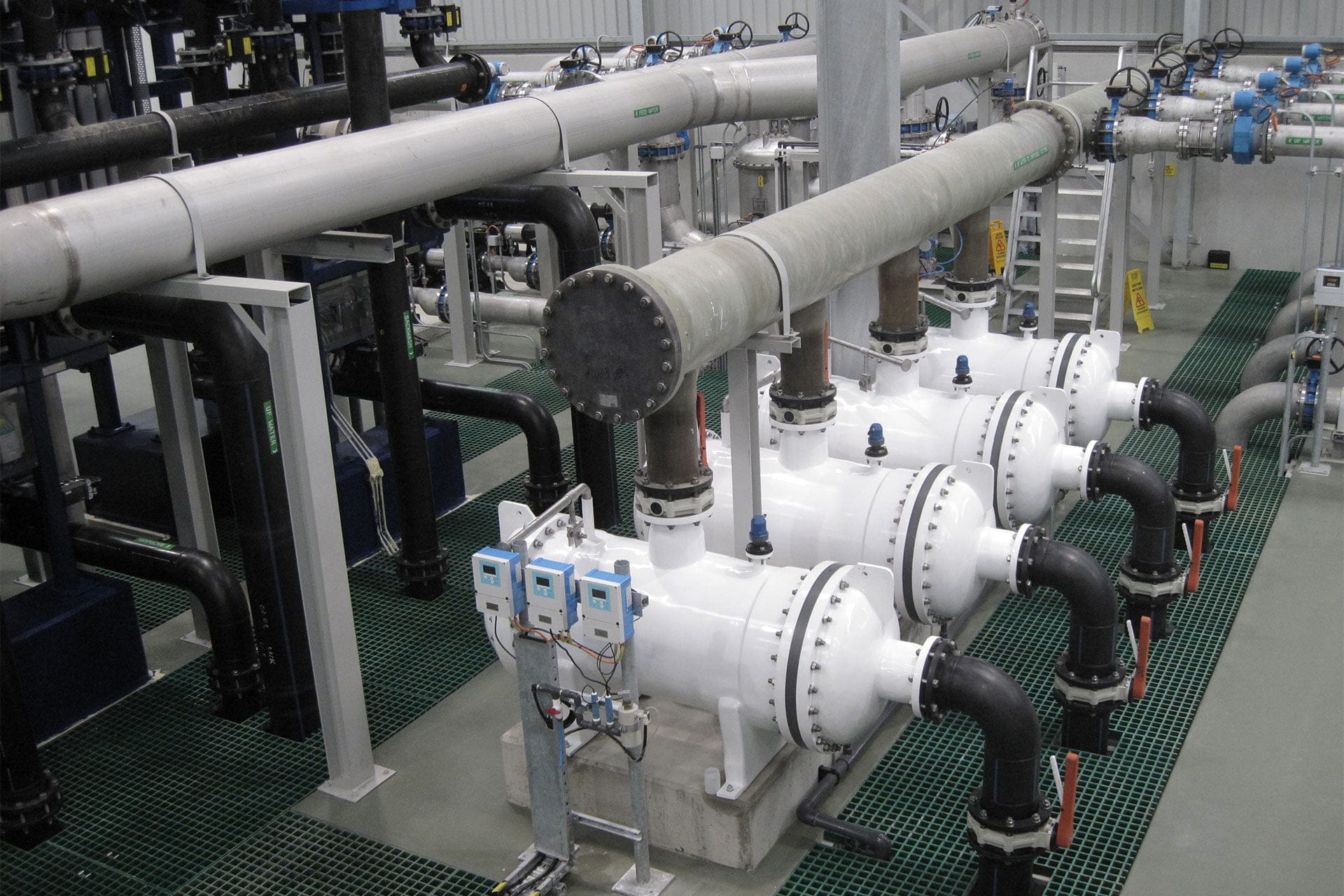
Load shedding and load shifting in wastewater treatment and pumping facilities is important for the following reasons:
- In addition to being energy intensive, wastewater facilities have significant electricity demand during utility peak periods. The potential to schedule equipment usage in these facilities makes this a key sector with demand response potential.
- If wastewater treatment facilities have already implemented energy efficiency measures that provide a base for participation in demand response programs, they immediately take advantage of utility incentives, and avoid the alternative demand charges.
To learn more about our industrial automation and energy optimisation solutions, visit our Industrial Automation page or contact us for a consultation.
Related
Related Articles
Parasyn Wins Customer Experience Award | AB Awards
Parasyn wins the ABA Customer Experience Management Award, recognising excellence in client delivery, support responsiveness, and customer satisfaction in.
Read moreParasyn Wins Digital Transformation Award | AB Awards 2024
Parasyn receives the ABA Digital Transformation Award for innovative OT-IT integration solutions that bridge industrial data with enterprise business.
Read moreAurizon Enterprise SCADA — Unified Systems Design | Parasyn
How Aurizon's unified SCADA design brought disparate rail systems together under a single enterprise platform, improving operational visibility and system.
Read more